AV1 Telepresence Robot
Supporting EBSA and Trauma-Related School Avoidance
School absence is one of the most significant challenges facing education today.
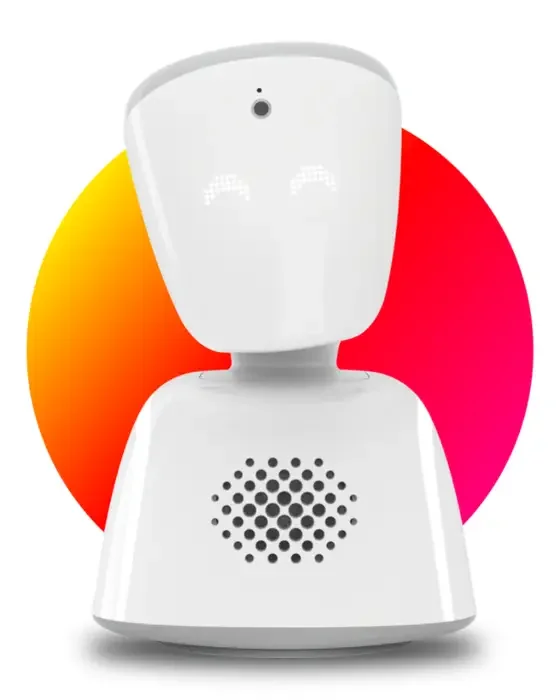
AV1 telepresence robots offer a safe, low‑pressure way for students who cannot attend school to stay connected with learning, maintain a sense of belonging, and re‑engage with their school community at a pace that feels right for them
AV1 Robots: How do they work?
Keeping Communication Alive When School Feels Impossible
Many children experiencing Emotional‑Based School Avoidance (EBSA) or trauma want to stay connected with learning and friendships, but physically attending school feels overwhelming or unsafe. For these young people, communication can become limited, pressured, or completely shut down.
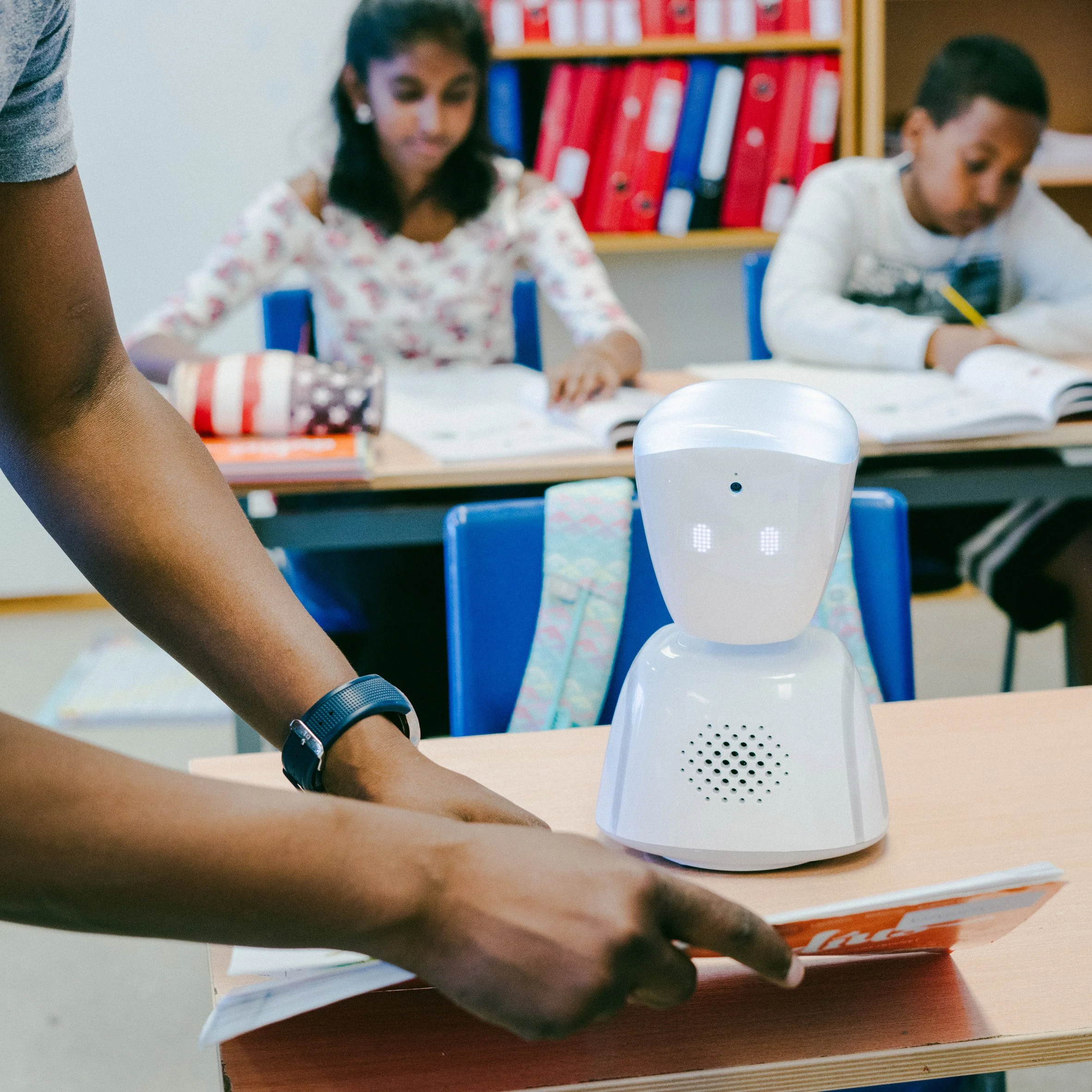
The AV1 telepresence robot offers a gentle, child‑led bridge back to connection. It allows a young person to join lessons, interact with peers, and take part in school life from a place that feels safe—whether that’s home, a quiet room, or another supportive environment.
How AV1 Supports Communication and Well-being
A voice without the pressure
Children can speak through the robot, use non‑verbal signals, or simply listen. This supports:
selective or situational mutism
shutdowns and overwhelm
communication differences linked to autism, ADHD, trauma, or anxiety
The child chooses how and when to communicate, giving them autonomy and emotional safety.

Maintaining relationships & belonging
Connection with peers is one of the strongest protective factors for EBSA. AV1 helps children:
stay part of their class community
join social moments like breaktime conversations
maintain friendships without the sensory or emotional load of being physically present
This prevents the isolation that often deepens school avoidance.
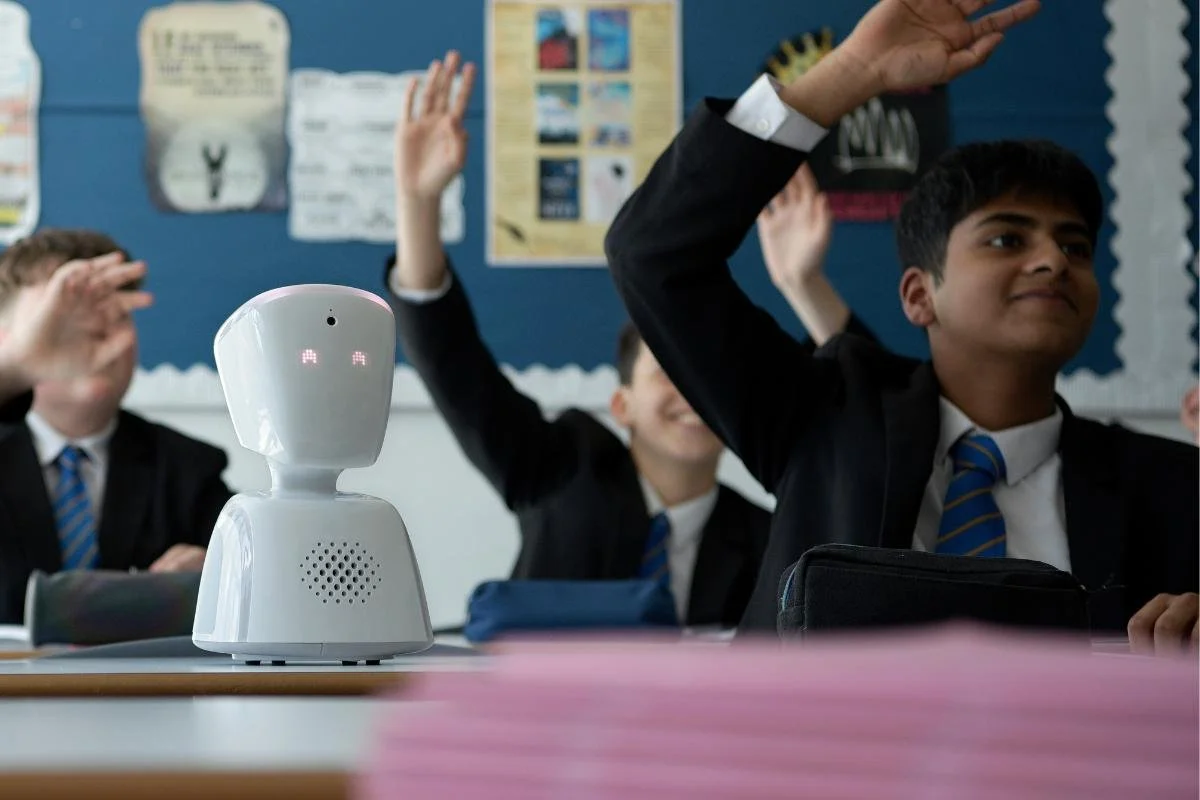
A trauma‑informed pathway back to school
AV1 supports graded exposure and reintegration by allowing the child to:
observe lessons without being seen
participate at their own pace
gradually increase interaction when ready
This aligns with neurodivergent‑affirming and trauma‑informed practice, reducing pressure and supporting co‑regulation.
Hire the AV1 Robot
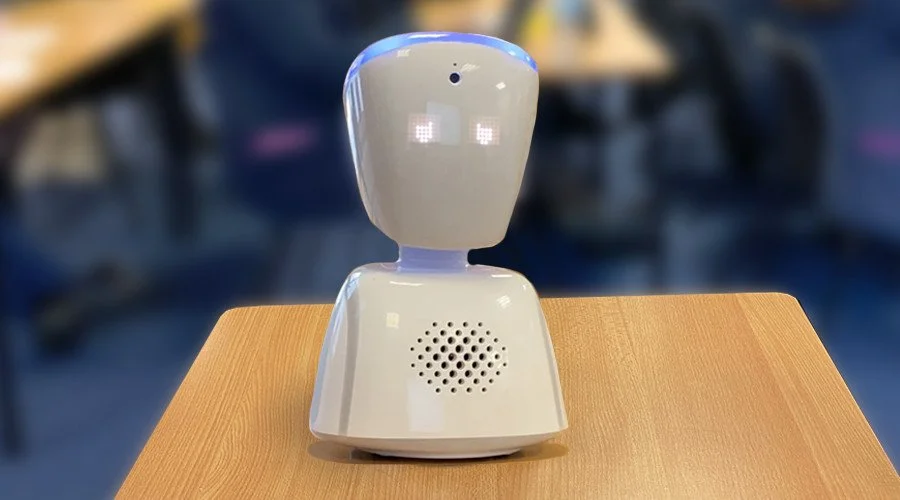
We offer AV1 hire for £100 set up fee + an additional £30 per day, including:
setup and technical support
staff training
guidance on using AV1 within a neurodivergent‑affirming, trauma‑informed communication plan